
Elizma Lambert
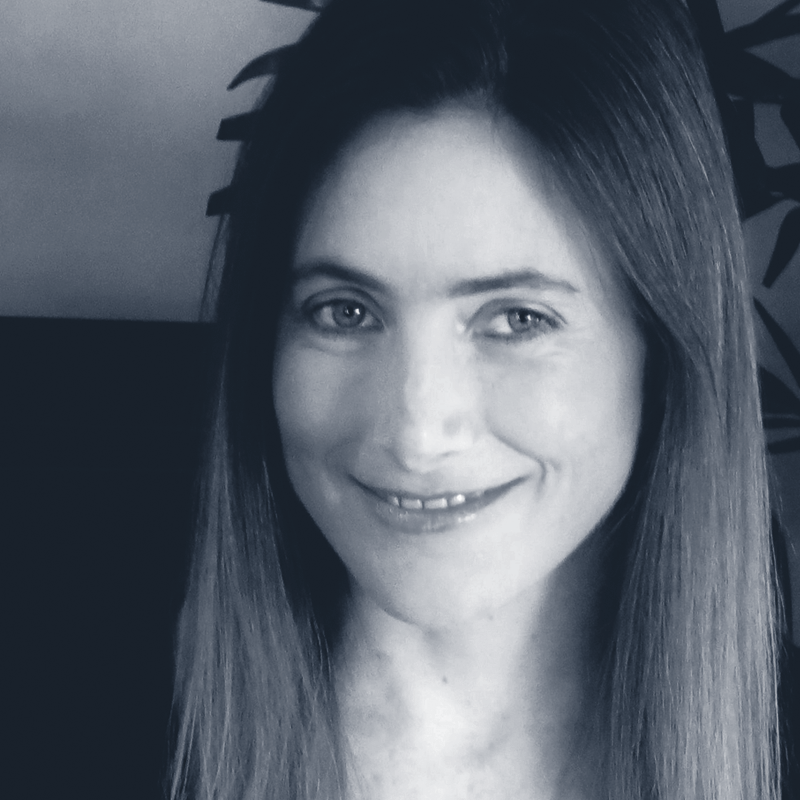
Elizma Lambert – Naturopath & Functional Medicine Practitioner
Functional Medicine | Naturopathy | Homeopathy | Nutrition| GAPS practitioner
I’m Elizma Lambert, a registered naturopath working from a functional medicine perspective. I work with people whose complex, chronic conditions haven’t responded to conventional approaches, looking at the whole picture from a cellular-dysfunction and root-cause point of view rather than treating a diagnosis.
Health problems rarely sit neatly in one place. Your genes, your gut, your hormones, your brain and how well your cells make energy all affect each other. Anxiety can start in the gut. Hormone symptoms can come down to how well you clear things out. Fatigue can come from any of them.
So I don’t look at one test result or one system on its own. I look at how they fit together and where the problem actually started. That’s what connecting the dots means, and it’s the part that tends to get missed when a condition won’t shift.
Registration
- Registered naturopath — Australian Traditional-Medicine Society (ATMS)
Postgraduate training
- Certified GAPS (Gut and Psychology Syndrome) practitioner
- MAPS (Medical Academy of Pediatric Special Needs) training, 2014–2015
- MINDD (Metabolic, Immunologic, Neurological, Digestive, Developmental) training, 2013–2015
- Nutrigenomic training since 2013
Special interests in
-
MTHFR, Methylation and nutrigenomics
-
Preconception care
-
Organic Acid Testing and interpretation
-
Digestive disorders and Detoxification
-
SIBO testing and treatment
-
Fatigue and mitochondrial dysfunction
-
Chronic infections
-
Mental health, anxiety, depression and sleeping disorders
-
Hormonal imbalances
-
Auto-immune conditions
-
Autism, Asbergers + ADHD
-
Anything and Everything…
You never stop learning.
Experience and recognition
- Known internationally as “The OAT Whisperer,” for seeing patterns across Organic Acid Test results where others see only isolated markers.
- Mentors practitioners across Australia, New Zealand, the United Kingdom and the United States in interpreting the OAT and other functional tests.
- Has travelled to the US and UK to learn from respected clinicians treating complex Lyme and co-infection cases, observing treatment and outcomes first-hand.
- Invited presenter for industry and laboratory education, including BioConcepts, Regenerus Labs, Research Nutrition, ATP Science.
- Creator of ebooks and online courses.
- Co-author of Leaky Gut, Leaky Cells, Leaky Brain with Dr. Jess Armine, and Dirty Genes: The Histamine Workbook with Dr. Ben Lynch and Angela Archer.
- 20+ years in clinical practice.
My approach
“There is no such thing as a ‘good marker’ or a ‘bad marker’ when it comes to test results. The body is doing what it’s supposed to do. Understanding why it’s responding that way, and correcting that, is what gets results.”
Everything is connected. The symptoms you’re experiencing are usually the downstream effect of an underlying issue that hasn’t been identified yet, so the work is to trace them back to the root rather than chase the label.

I work with people whose health problems are complex, long-running, and haven’t responded to what they’ve already tried. Most have seen a number of practitioners, have a folder of test results, and still don’t have an explanation that makes sense of all of it.
My job is to find the explanation. I look at your symptoms, your test results, how you react to foods, supplements and medicines, and your health history, and I work out how they fit together. That’s what connecting the dots means.
I consult with both clients and practitioners, in Australia and overseas.
Everything is connected
All body systems are connected.
The symptoms you’re experiencing are usually the downstream effect of an underlying issue that hasn’t been identified yet. Your body is signalling through those symptoms that something isn’t right.
Chasing each symptom on its own tends to go in circles, because they’re often all coming from the same place.
Why I look for the root cause
By going through your symptoms, understanding how your genes are expressing, and using functional testing where it’s warranted, I can work out what’s actually driving the problem and focus on that.
It’s a slower way to start and a faster way to finish. Working on the cause tends to settle several symptoms at once, rather than managing each one separately and indefinitely.
Disease is a verb, not a noun
A disease label, like ‘Parkinson’s disease’, is a way of grouping symptoms and processes that are happening in the body. It’s useful shorthand, but it isn’t an explanation of what’s going on or why.
So the label isn’t my focal point. What matters is what’s happening underneath it — the processes producing those symptoms in you specifically. Two people with the same diagnosis can arrive there by different routes, and they need different things as a result.
There is no such thing as a ‘good’ or ‘bad’ marker
When people get test results back, it’s common to feel alarmed by a page of red markings, highs and lows. I read them differently.
A marker outside the reference range isn’t a fault. It’s the body doing what it’s supposed to do in the circumstances it’s in. The question isn’t whether a number is good or bad, it’s why the body is responding that way.
Understanding that, and correcting it, is what gets results.
Who I work with
- People with chronic conditions that haven’t responded to previous treatment
- People with complex test results that haven’t been fully explained to them
- Practitioners who want help interpreting a case or a test